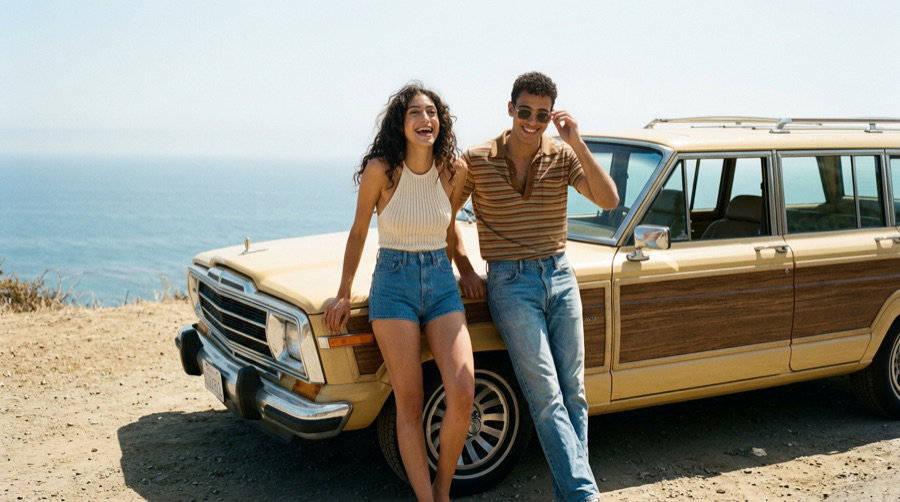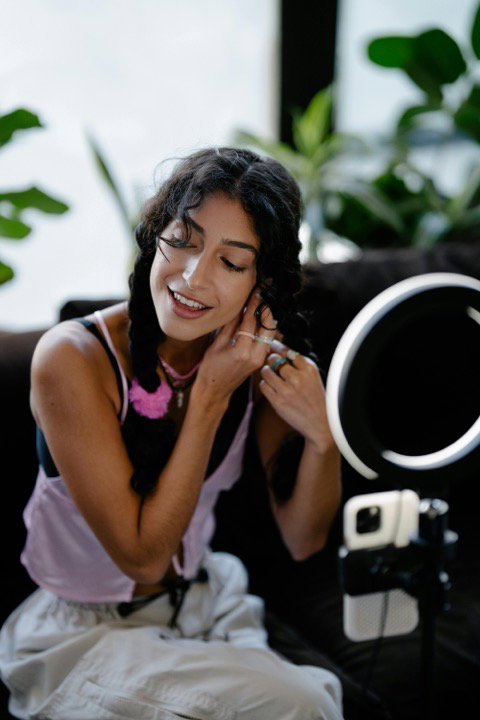
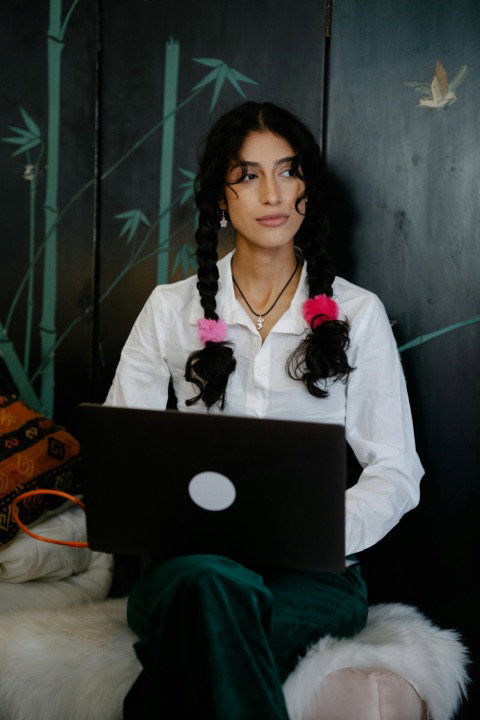

01 / 05
Podcast & show
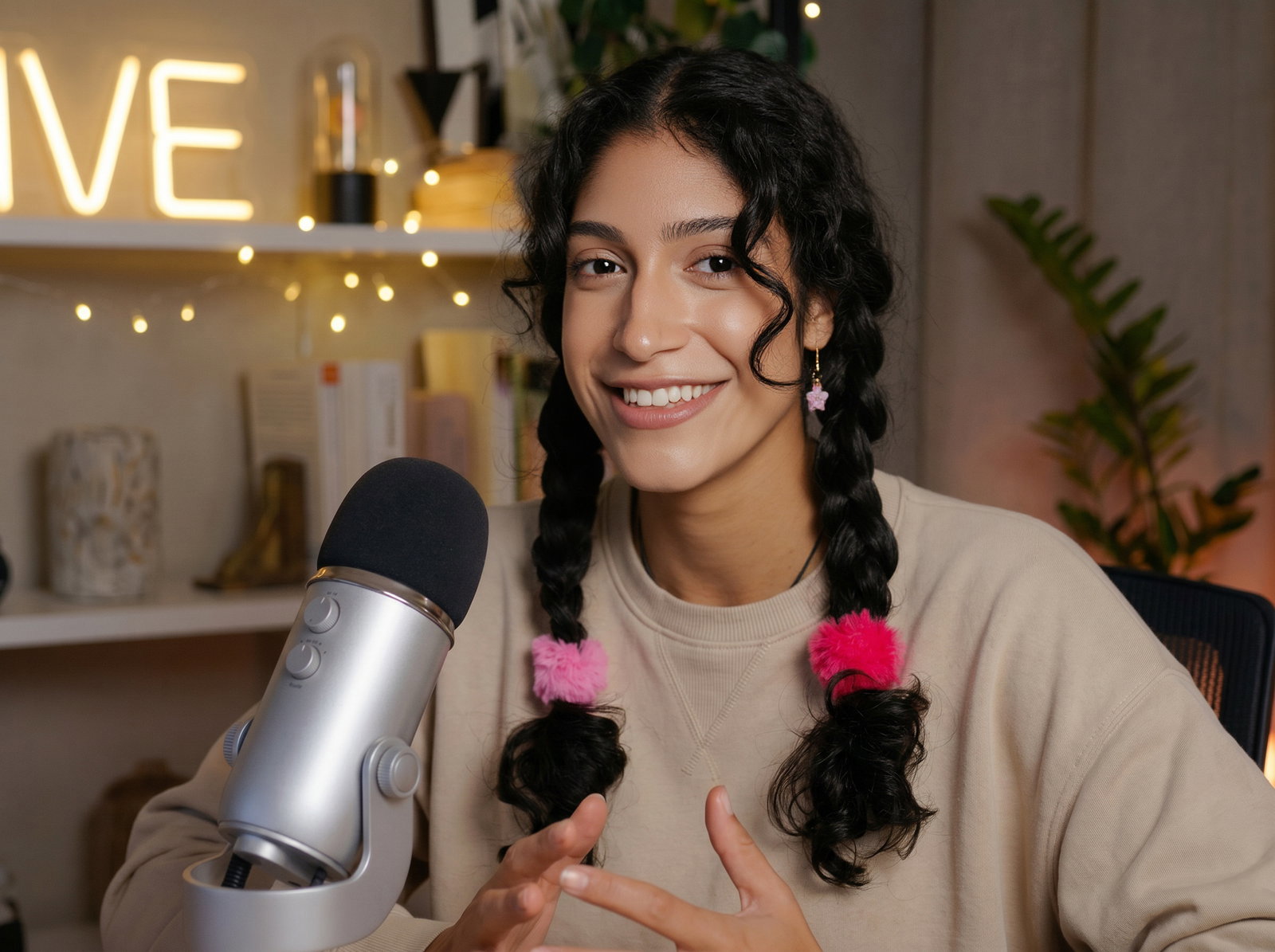
The opening frame for podcast and livestream videos — an avatar at the mic, the same recognizable host every episode.
Animated in your pipeline
Integrate Phota so your users train a personal model, then generate the first frame for every avatar video — podcasts, ads, fitness, real estate, UGC. That first frame is what keeps the person on screen unmistakably them.
Phota for iOS is coming soon. Join the waitlistA collection of everyday photos — the quickest way in.
A short guided clip that captures you from every angle and expression.
Photos plus a short video — the most faithful, controllable likeness.
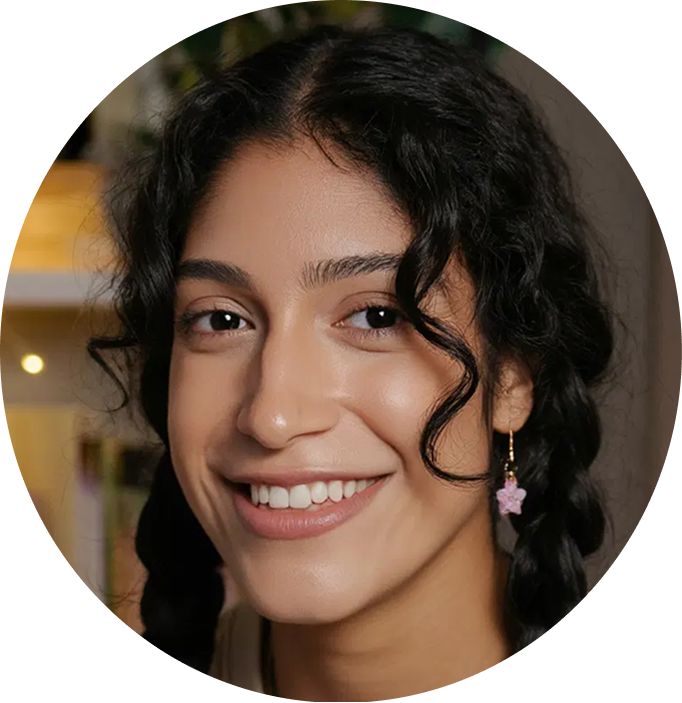 @you One personal model — the source of every first frame.
 The opening frame for podcast and livestream videos — an avatar at the mic, the same recognizable host every episode.
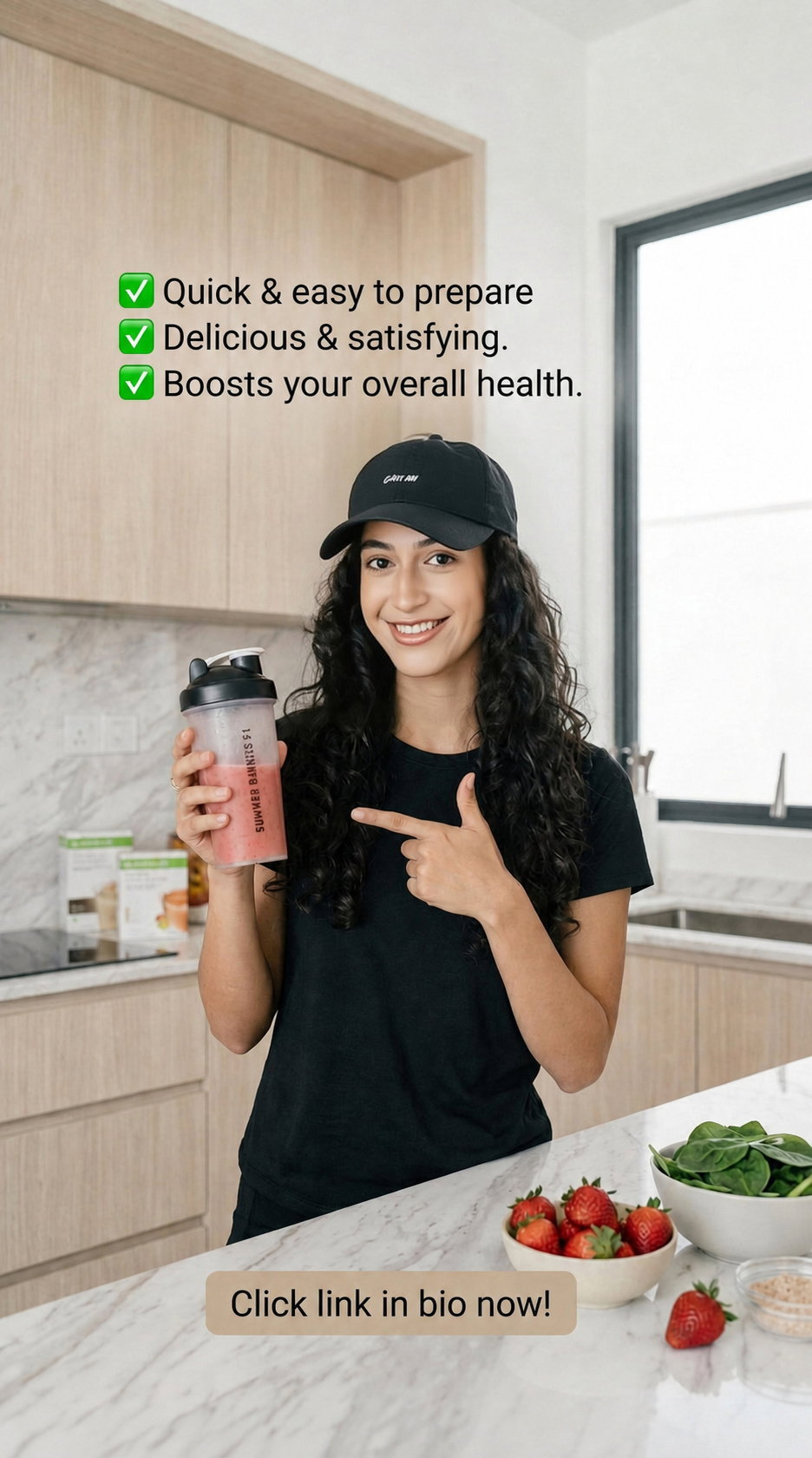
A first frame of an avatar presenting the product — ready to animate into shoppable ad videos that stay unmistakably them.
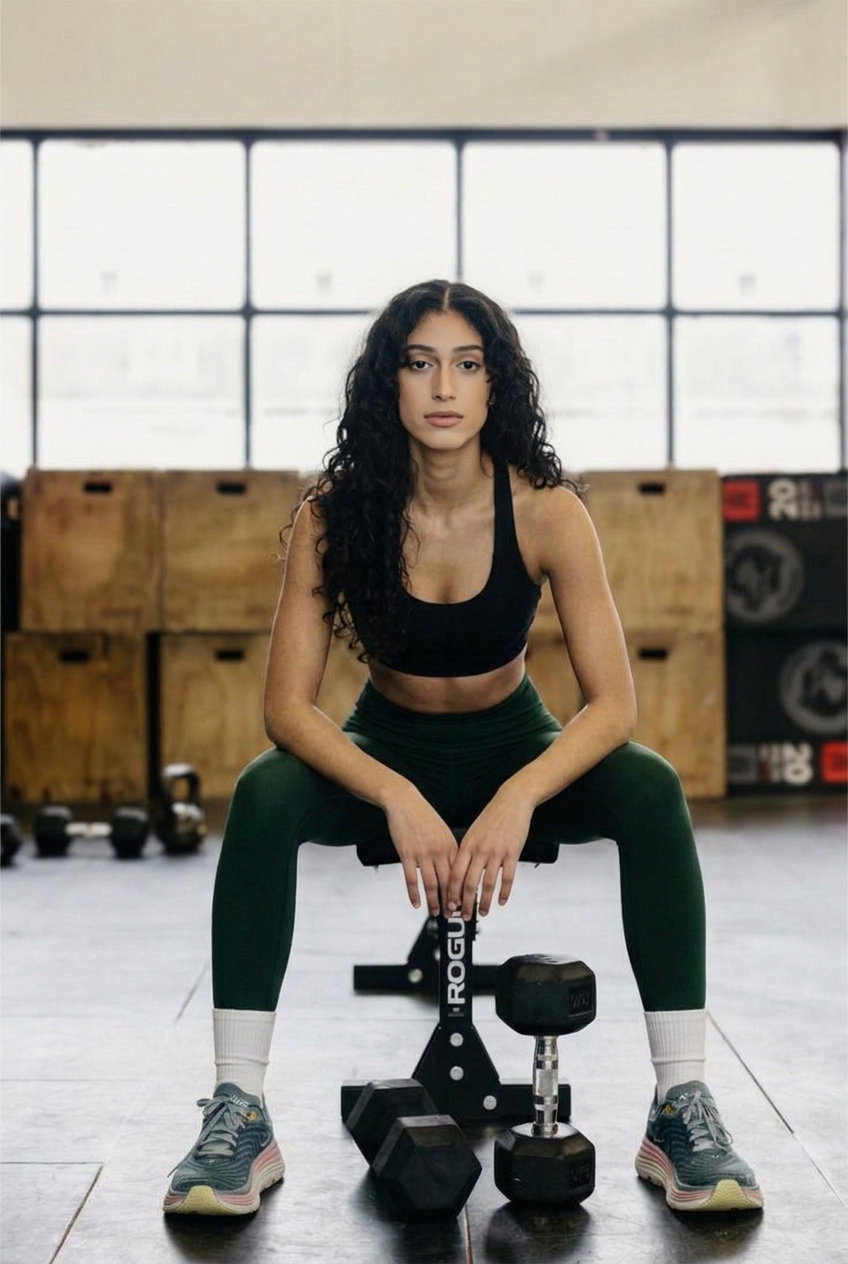
The starting frame for gym and training content — an avatar in the room, ready to animate into workout demos and coaching clips.
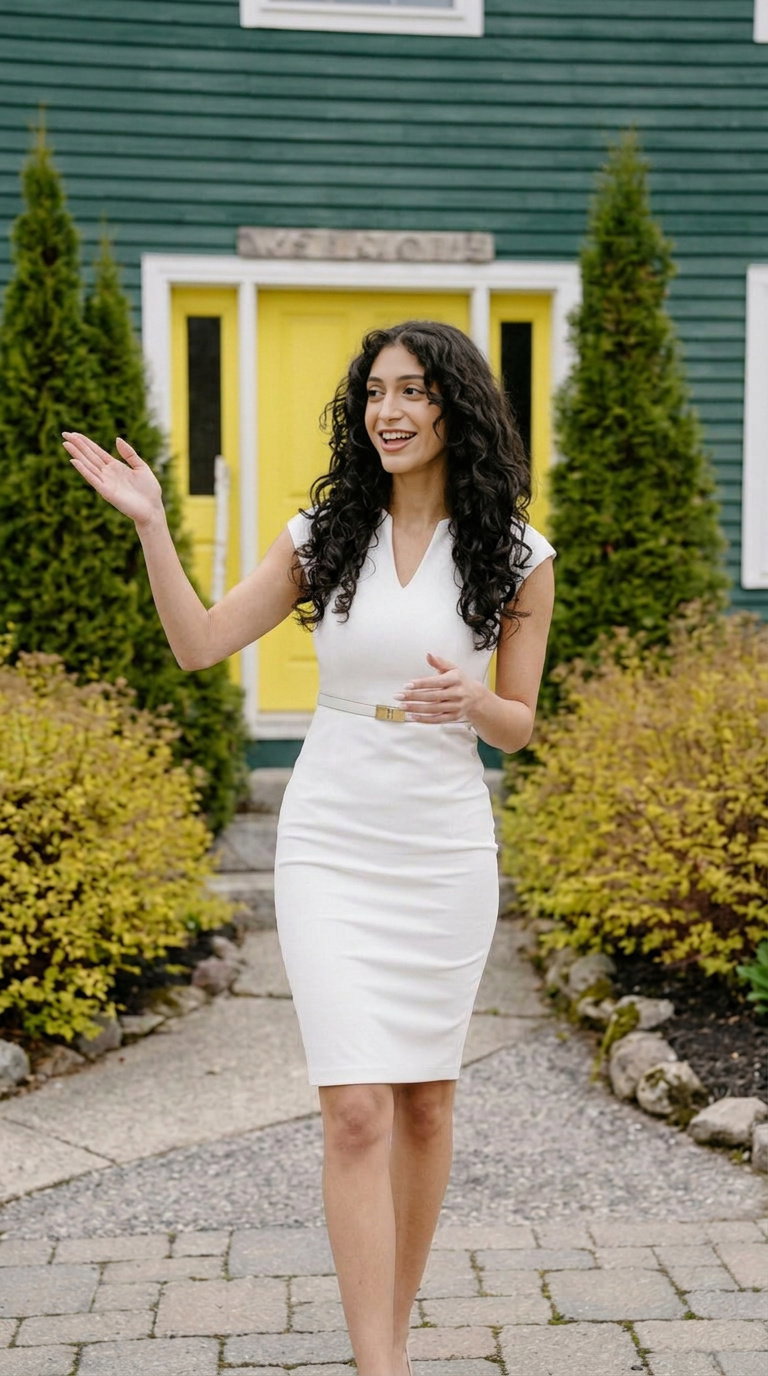
A first frame of an avatar walking a property — animate it into listing tours and agent intros that stay on-brand.
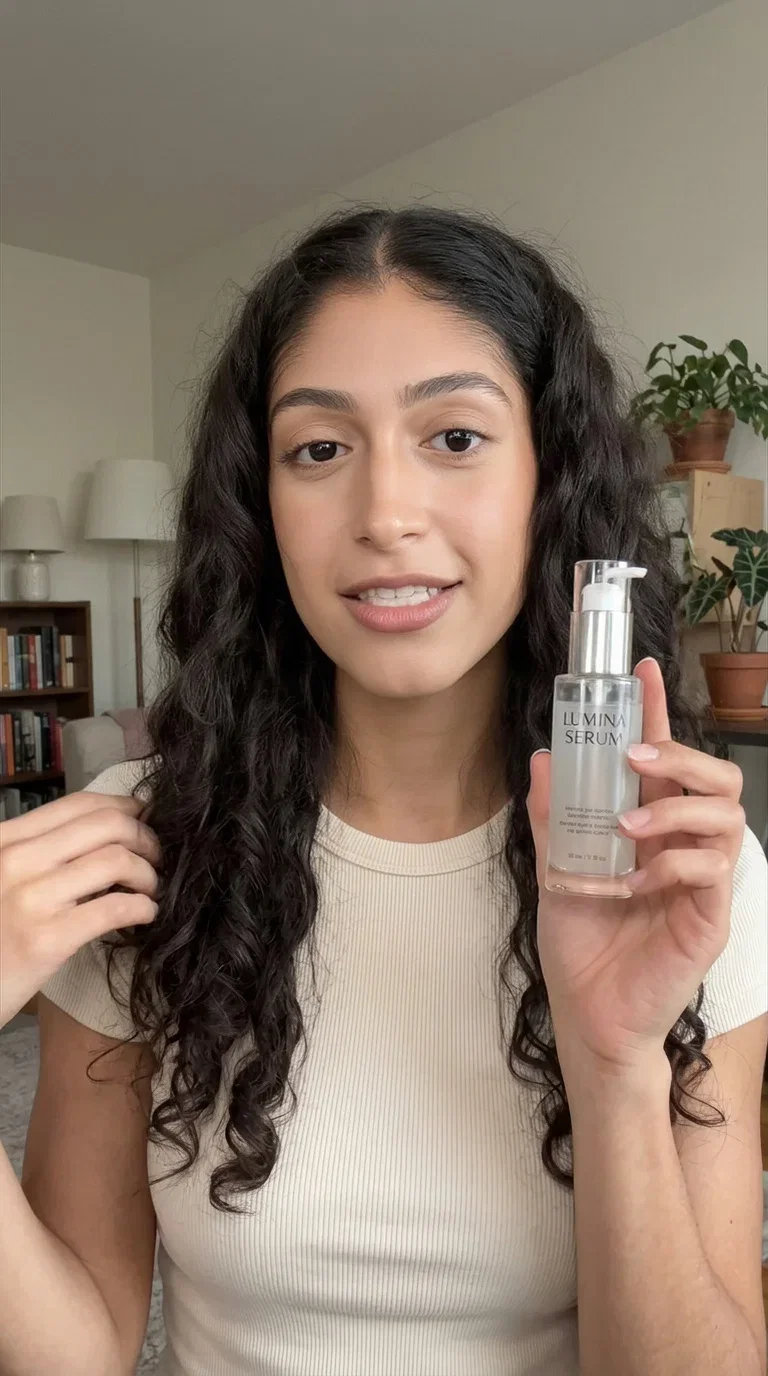
A camera-forward first frame for reviews and unboxings — an avatar talking to camera like a real creator, because it starts from the user.
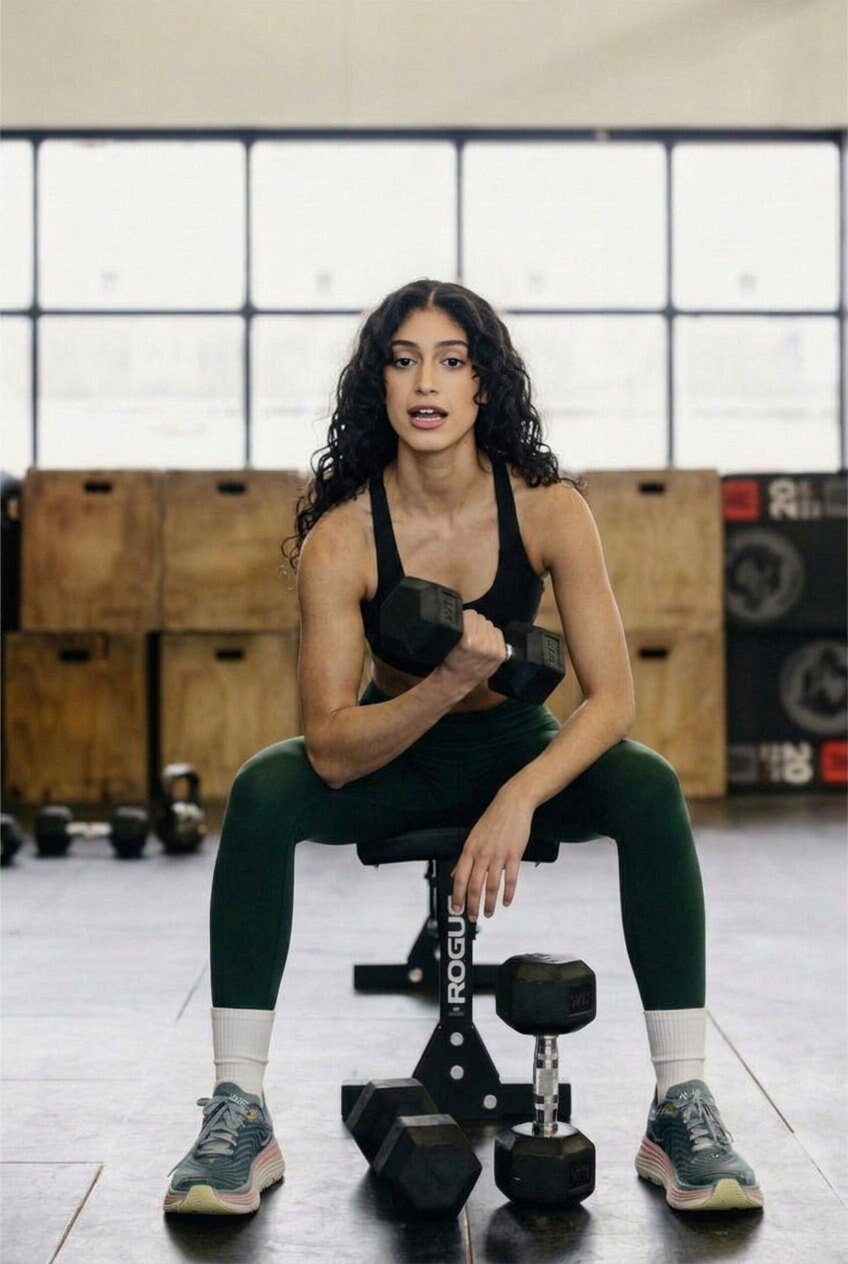
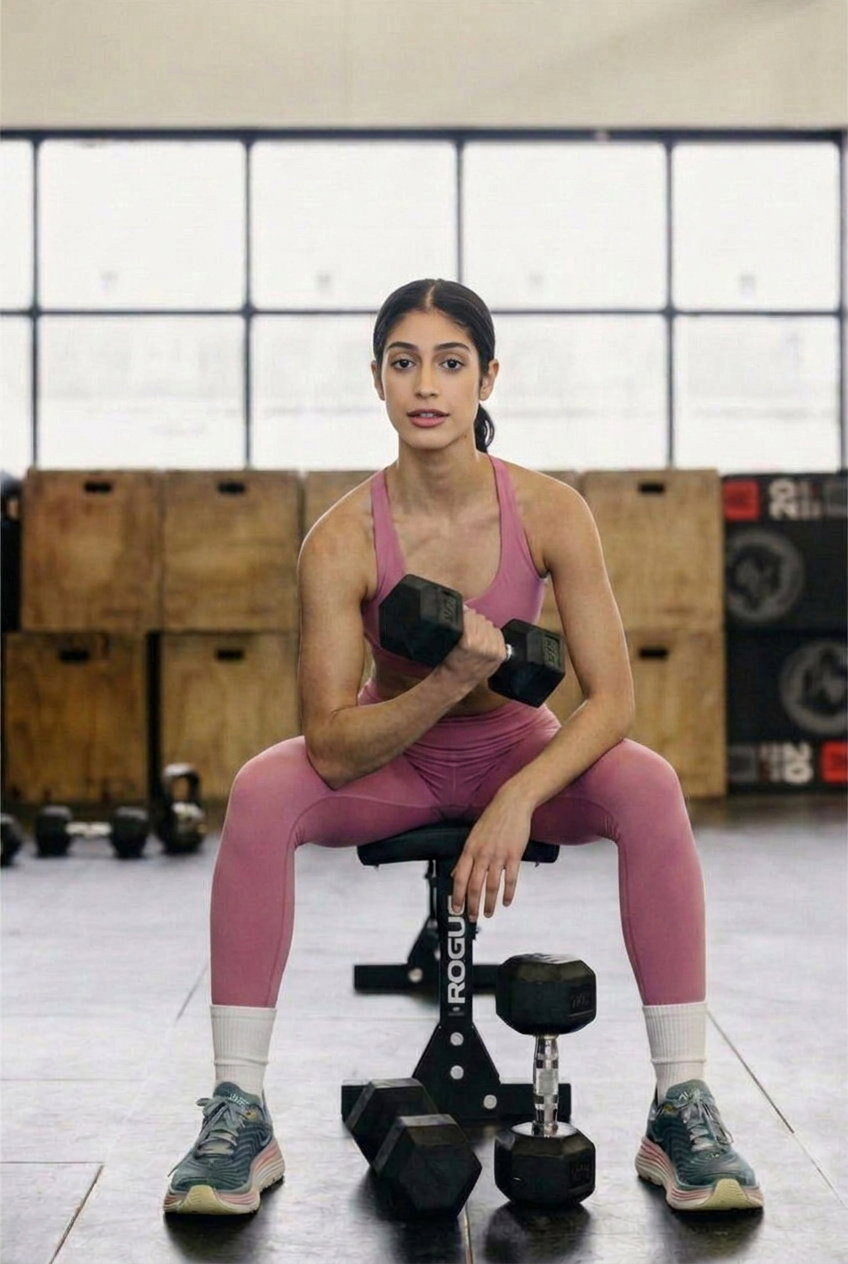
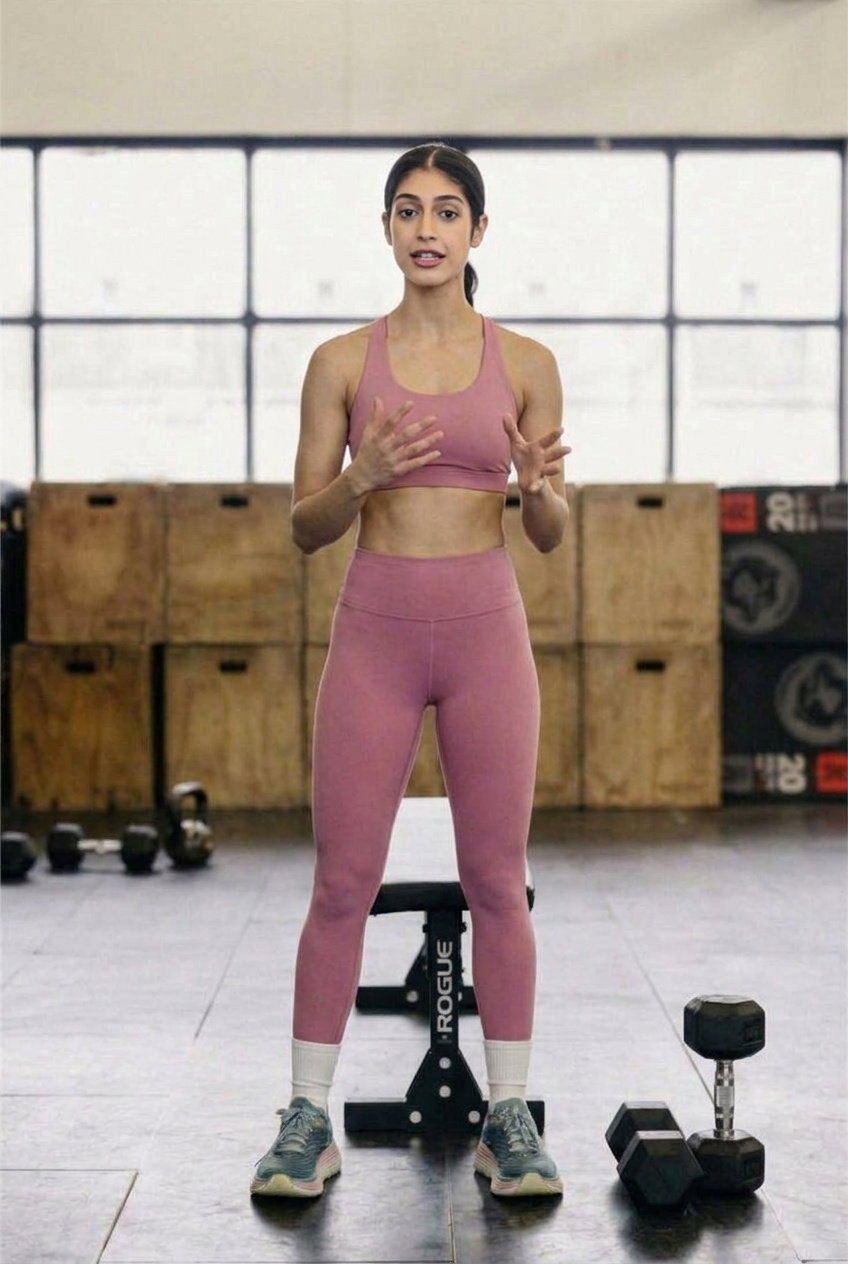
3 edits later she's still unmistakably herself. The identity holds through every round.
Your users train from a photo collection, a short onboarding video that captures every angle and expression, or — for the best results — a hybrid of both.
More angles and expressions in means a more faithful, controllable likeness out. The video path is what makes motion, profile views, and expressions hold up.
Podcast, ads, fitness, real estate, UGC — every avatar video starts from a first frame generated off the same model, no retraining.
Feed the Phota-generated first frame into your video model. The keyframe is what locks the user's likeness — animate a generic frame and it stops looking like them.
Avatar generators drift — every render is a slightly different person.
One persistent personal model per user keeps them the same across every first frame.
Feed a generic frame into a video model and the likeness drifts — the talking head isn't quite them.
Start from a Phota keyframe and each user's identity is locked before the first frame of motion.
Yes — that's exactly who this is for. Avatar products integrate the Phota API to give their users persistent, controllable likenesses and first-frame generation. See docs.photalabs.com or contact us.
A photo set, a short onboarding video, or — for the best results — a hybrid of both. More angles and expressions mean a more faithful, controllable likeness.
Your pipeline generates the first frame or keyframes with Phota, then animates those. The Phota keyframe locks the user's likeness — animating a generic frame is where most avatar video loses the person.
Yes. A first frame can be edited as many times as you need — change the pose, outfit, or action — and the person stays exactly themselves. Every edit re-anchors to their model, so identity holds through every round instead of drifting into someone else.