
01 / 02
Multi-subject storyboard
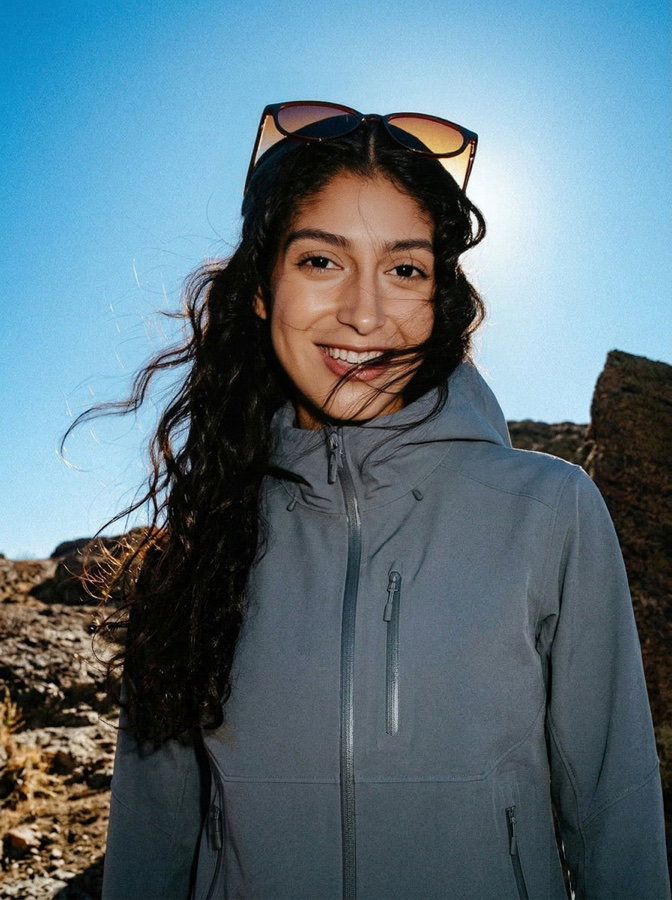
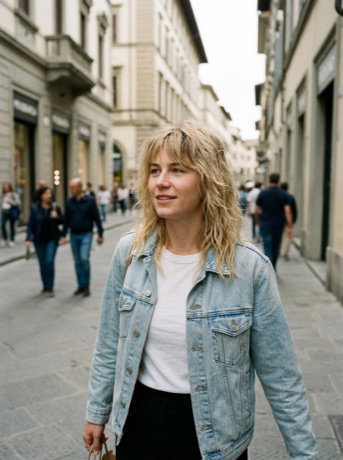
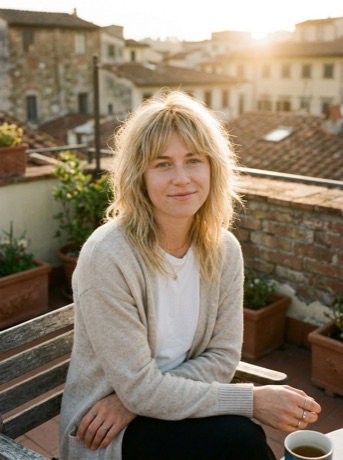
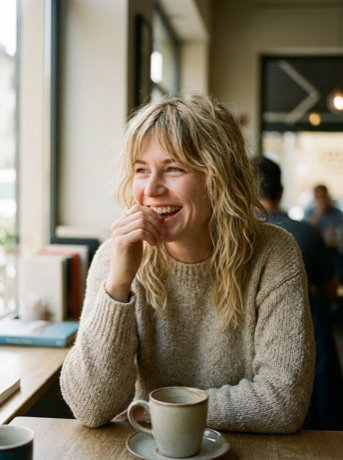
A full narrative with the same cast in every panel — direct the shots and Phota keeps each character consistent across the whole board.
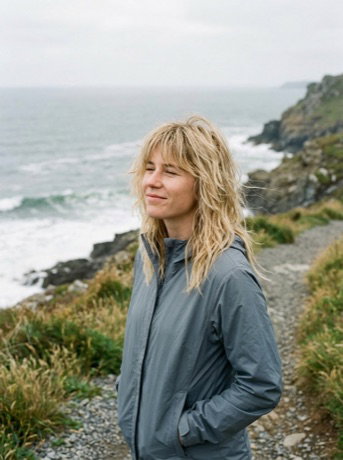
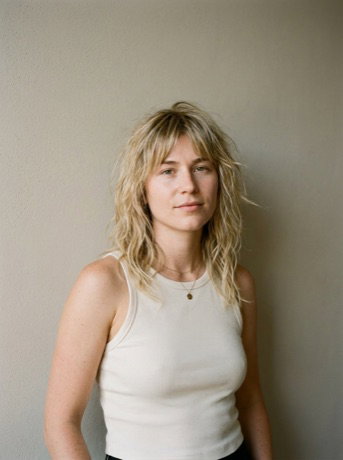
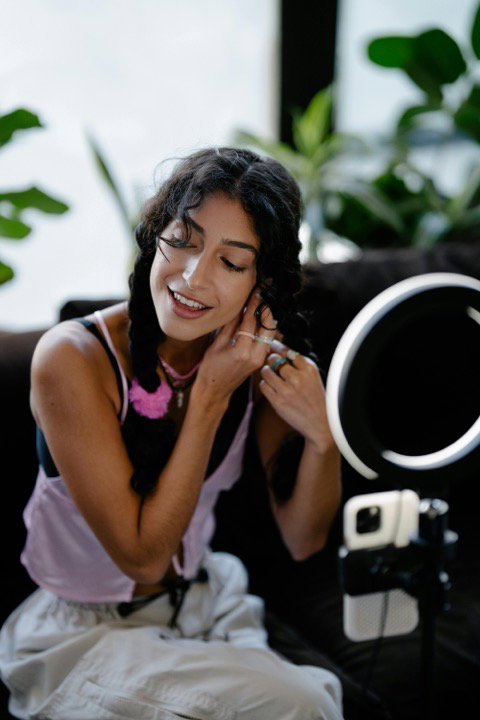
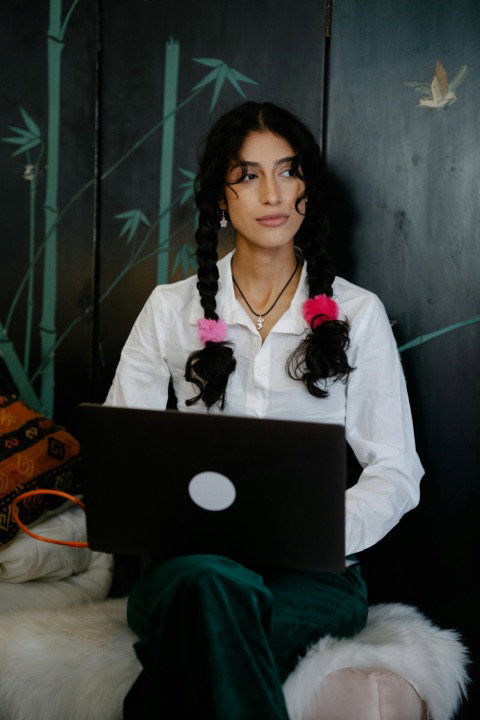
Cast 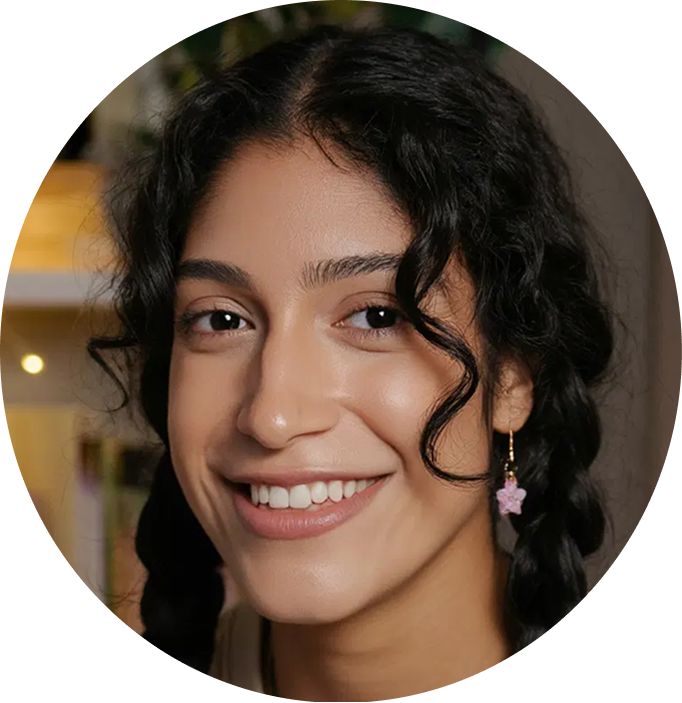 @tiana
  @leo
@leo
@tiana @leo 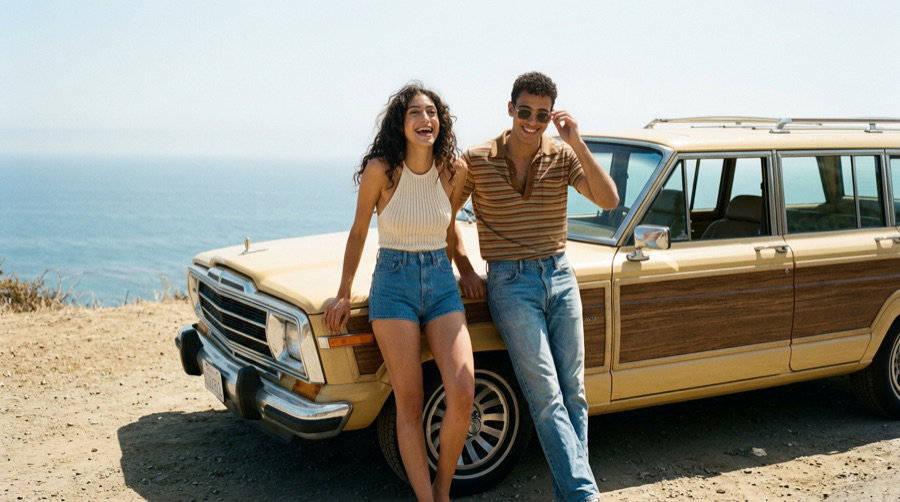

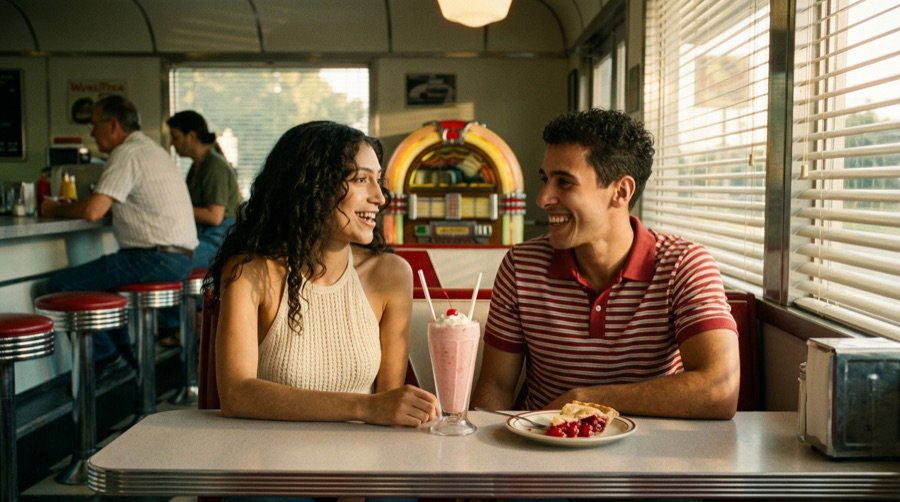



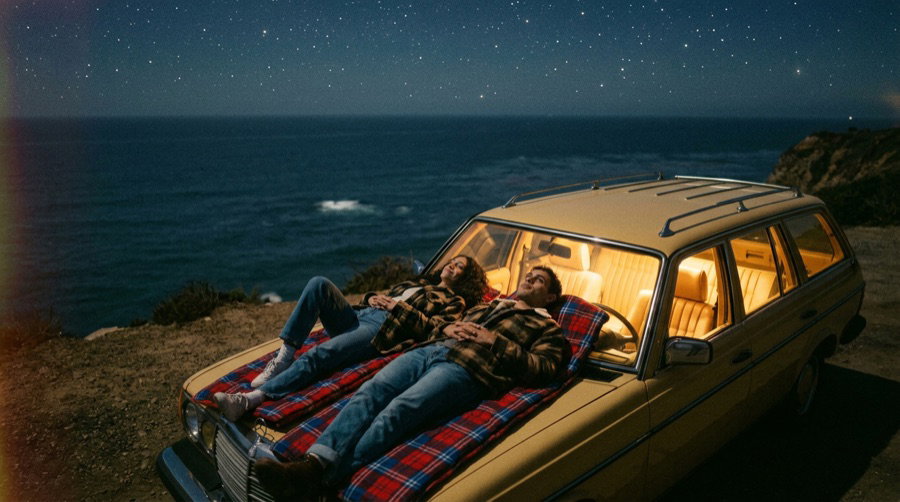
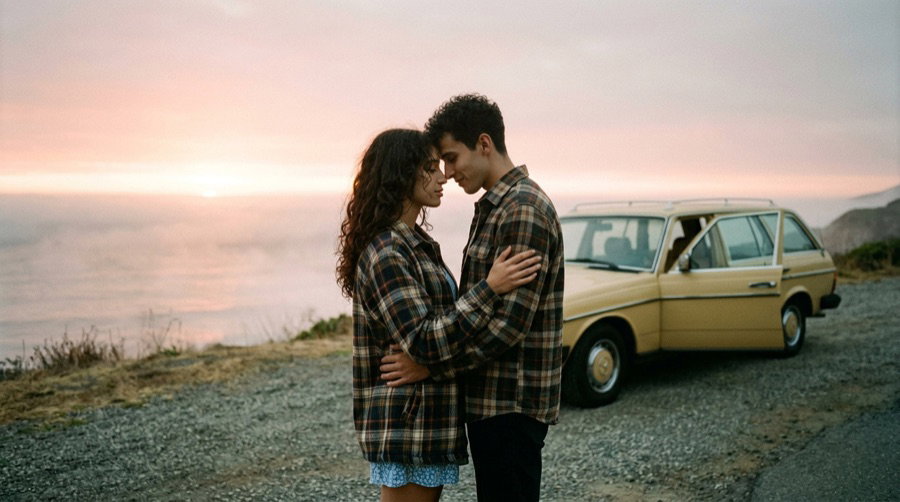
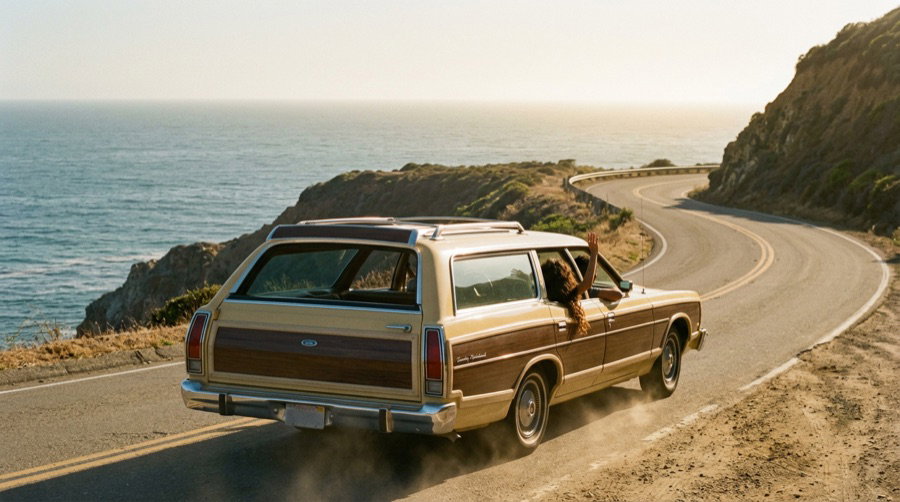
Storyboards and illustrated characters that hold their likeness panel after panel — even with several characters in the same frame — for film pre-viz, animatics, and animated stories.
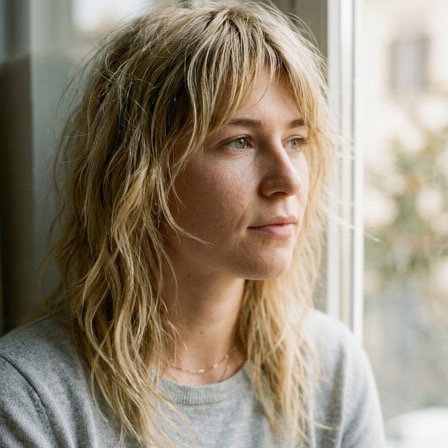
Generate an original character, keep only the frames that stay on-model (often about one in five) and train Phota on those. After that, it generates the character reliably.
 @lena
@lena Or train from real photos of talent, exactly like any other Phota model.
@tiana A full narrative with the same cast in every panel — direct the shots and Phota keeps each character consistent across the whole board.
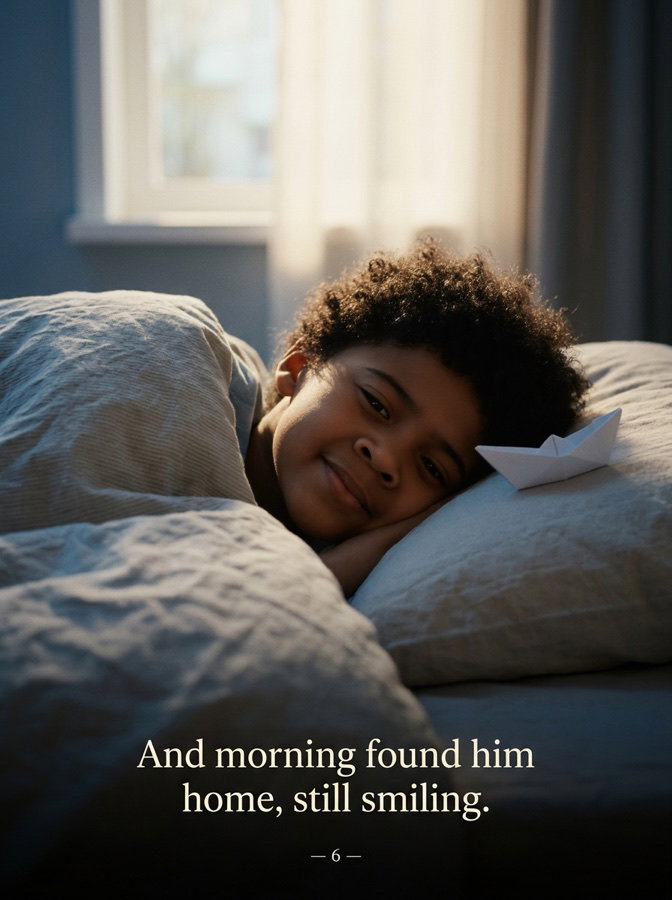
@tiana @leo One character carried through a whole illustrated story — cover to final page, every spread unmistakably them.
 @noah
@noah 
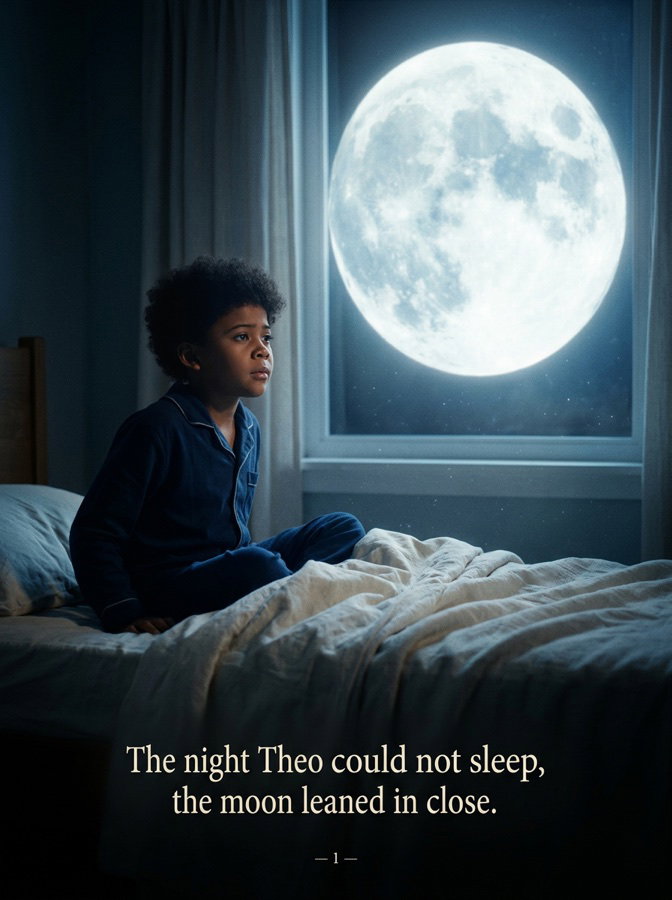

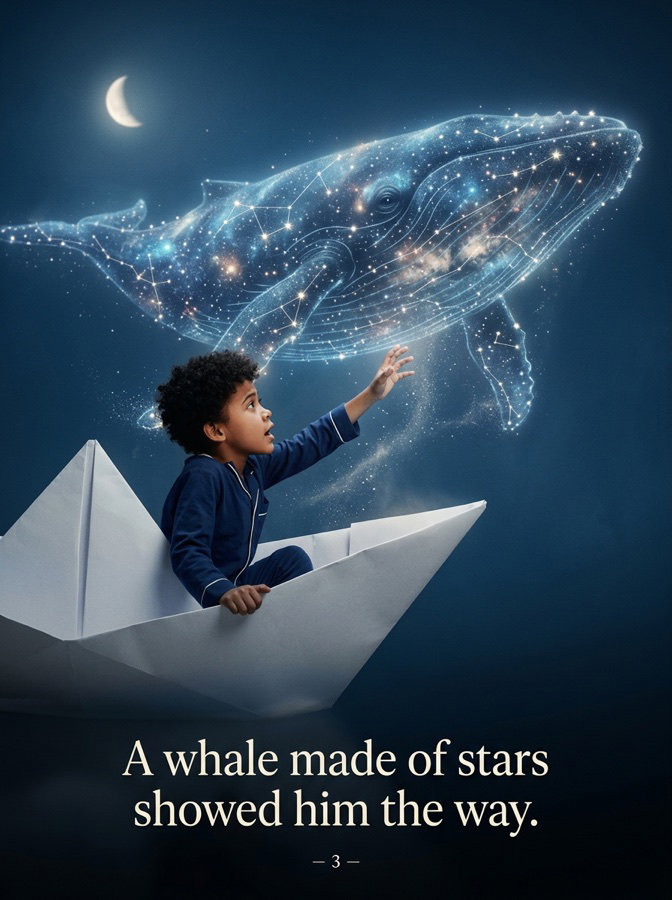
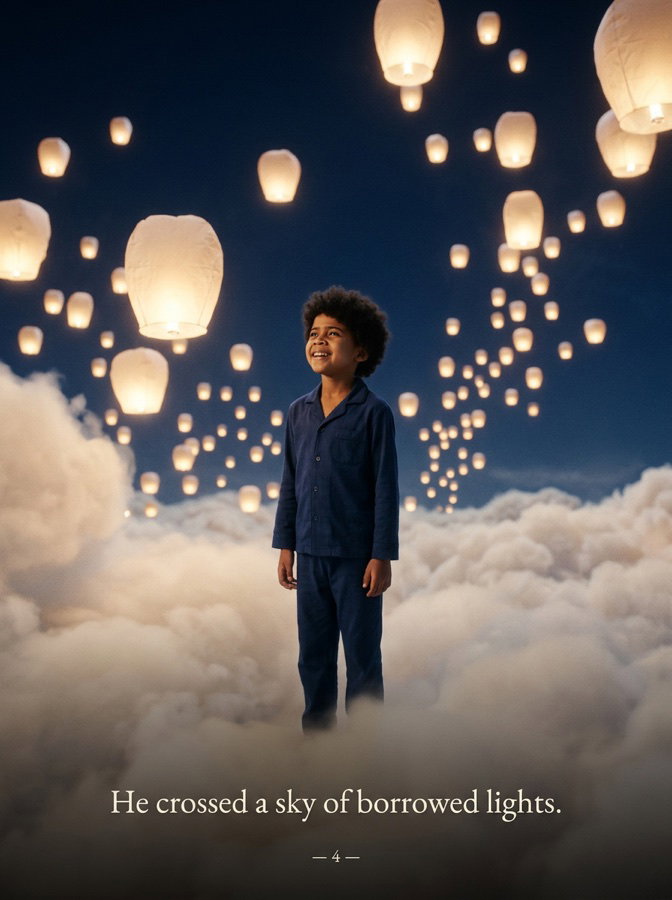
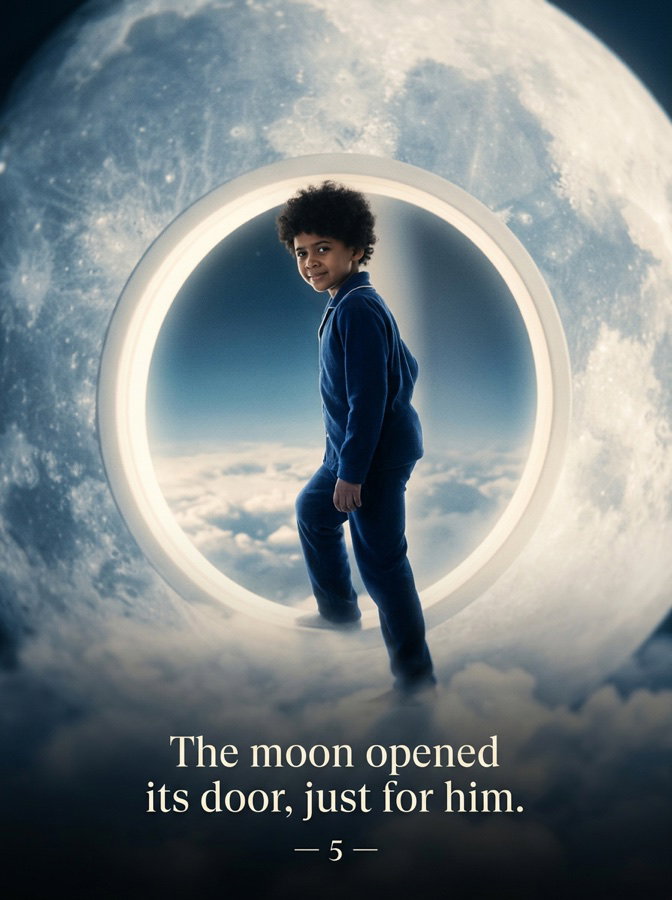
Train from real photos of talent — or invent a synthetic character: generate options, keep the frames that stay on-model, and train Phota on those. Either way you get a persistent character.
Describe shots the way you'd brief a board artist: framing, blocking, mood, style.
Full sequences with the character recognizable in every panel — no per-frame touch-up.
Boards flow into shoots, animatics, and video keyframes — the character holds through all of it.
Generic generators re-roll the face every frame — sequences read as a set of strangers.
Every panel generates against the same likeness model, so the sequence reads as one story.
Put two or three characters in one frame and generators blend their faces together.
Tag several trained characters in the same panel and each one holds — no blended or swapped identities.
Original characters drift even faster than real people — most frames go off-model.
Invent a character, keep the frames that work, and train once — after that it's as consistent as real talent, forever.
Every frame is generated against the same persistent likeness model, so the character's identity isn't re-rolled per image. That's what makes a sequence read as one story instead of a set of lookalikes.
Yes — this is one of the most powerful uses. Generate a synthetic character however you like; even if only about one in five frames truly nails it, keep those and train a Phota model on them. From then on that character generates reliably and consistently, exactly like a real-person model.
Yes — and it's a core strength. Tag each trained character in the prompt and Phota composes them into the same frame with every identity preserved, so a two- or three-hander reads as the right people in every panel, not blended lookalikes.
Boards become anchors: the same likeness that holds your storyboard can generate likeness-locked keyframes for video models — see our Video Keyframing solution for that workflow.
Yes — likeness carries through style transfer, so the same character holds across photoreal boards, illustrated panels, and animated styles.